


Creating a cozy and inviting home office space is more important than ever. With many people working from home, having a dedicated area that feels comfortable and inspiring can boost productivity, reduce stress, and make work feel more enjoyable. Whether you have a small corner or an entire room, there are plenty of ways to design a workspace that combines functionality with warmth.
In this post, we’ll explore practical tips to help you create a home office space that feels just right for you.
1. Choose the Right Location
Your work environment starts with where you set up your office. Consider these factors when picking the spot:
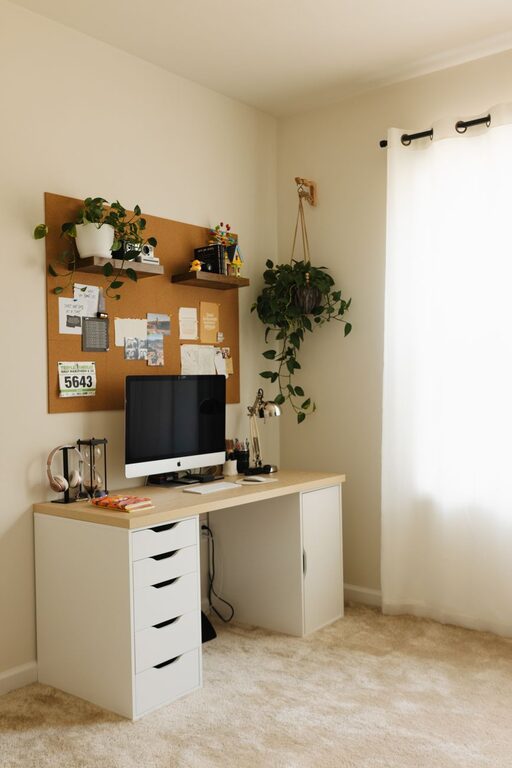
– Natural light: Try to position your desk near a window to benefit from daylight. Natural light can improve mood and focus.
– Quiet and privacy: Choose a space away from heavy traffic areas to minimize distractions. If privacy is limited, consider room dividers or noise-cancelling headphones.
– Space availability: Even a small nook can work if arranged thoughtfully. Make sure there’s enough room for essential furniture and movement.
2. Invest in Comfortable, Supportive Furniture
Your desk and chair are the backbone of your workspace, and comfort is key.
– Ergonomic chair: A chair that supports your posture helps prevent back and neck pain. Look for adjustable features and good cushioning.
– Desk: Choose a desk that fits your equipment and allows flexibility. Standing desks or adjustable height desks are great options if you want to vary your working position.
– Additional seating: If space permits, add a cozy chair or small sofa to step away for breaks or casual reading.
3. Use Soothing and Personal Colors
Color choice affects how you feel during the workday. Soft, soothing colors can create a relaxing atmosphere, while brighter tones might boost energy.
– Neutral tones: Whites, beiges, and soft grays promote calmness and help reduce eye strain.
– Accent colors: Incorporate your favorite colors through accessories, such as cushions, rugs, or wall art.
– Avoid overwhelming hues: Too many bold colors can become distracting, so balance is important.
4. Add Warm and Layered Lighting
Good lighting is essential for comfort and productivity.
– Ambient lighting: Overhead lights provide general illumination.
– Task lighting: A desk lamp with adjustable brightness ensures you can focus on details without straining your eyes.
– Accent lighting: Soft lamps or string lights add warmth and character to your office.
Mixing different types of lighting helps create depth and a cozy ambiance.
5. Organize and Declutter Effectively
A tidy workspace helps your mind stay clear and focused.
– Storage solutions: Use shelves, filing cabinets, baskets, or drawer organizers to store paperwork and supplies.
– Minimalism: Keep only essential items on your desk to reduce clutter.
– Cable management: Use clips or cable organizers to keep cords neat and out of the way.
6. Incorporate Natural Elements
Bringing the outdoors in can make your office feel more inviting.
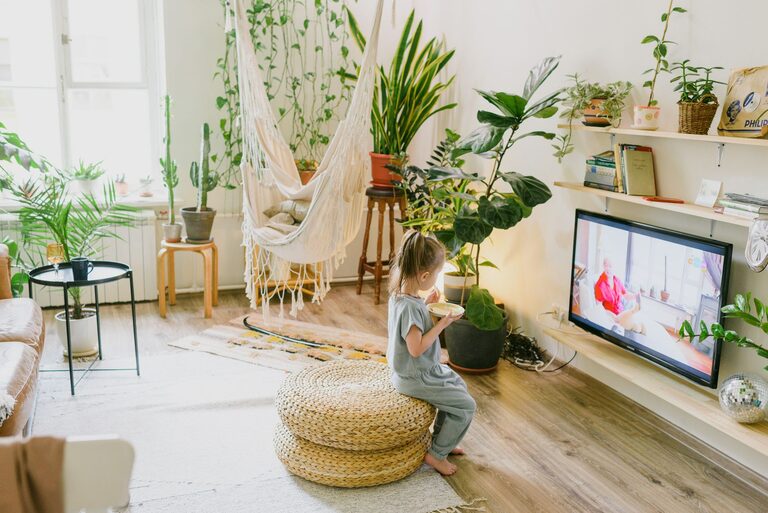
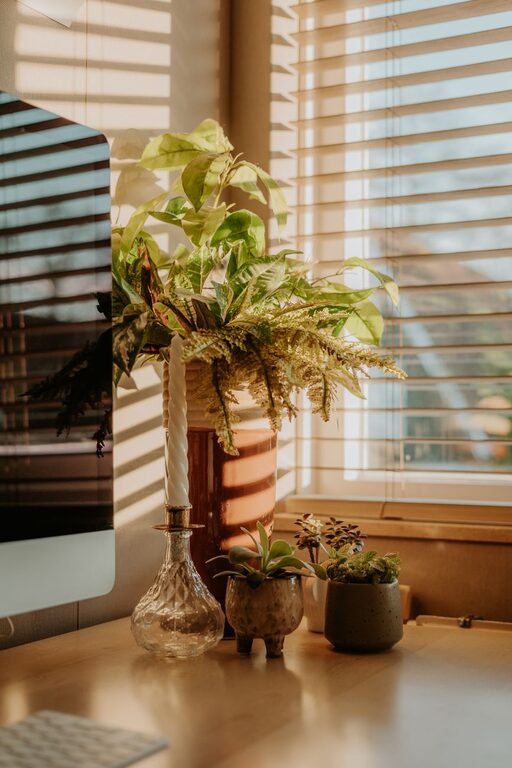
– Plants: Even low-maintenance plants like succulents or pothos add life and improve air quality.
– Natural materials: Wooden furniture, stone accessories, or woven baskets contribute texture and warmth.
– Views of nature: If possible, position your office where you can see outside greenery to reduce fatigue.
7. Personalize Your Space
Your office should reflect your personality and tastes.
– Artwork: Choose prints, photos, or paintings that inspire you.
– Decorative items: Items such as candles, figurines, or favorite books make the space feel homier.
– Motivational quotes: Frame positive messages to keep motivation high throughout the day.
8. Maintain Good Air Quality and Comfort
A comfortable environment includes fresh air and a suitable temperature.
– Ventilation: Open windows regularly or use an air purifier to keep air fresh.
– Heating and cooling: Use fans or heaters as needed to maintain a comfortable working temperature.
– Aromatherapy: Essential oil diffusers or candles can enhance relaxation, but use scents you enjoy and that are not overpowering.
9. Create Zones for Focus and Relaxation
If space allows, design separate zones for different activities.
– Work zone: The primary desk area where focused tasks happen.
– Break zone: A small area with comfortable seating for breaks or casual reading.
– Storage zone: Dedicated space for supplies and files keeps things organized.
Zones encourage balance between work and rest, enhancing overall comfort.
10. Regularly Refresh Your Space
Your home office should evolve with your needs.
– Rotate decor items seasonally or when you want a change.
– Rearrange furniture to improve flow or accessibility.
– Reassess equipment and furniture periodically to ensure comfort and efficiency.
Final Thoughts
Designing a cozy and inviting home office is all about combining comfort, functionality, and personal touches to create a space where you look forward to spending your workday. Simple changes like ensuring good lighting, choosing the right chair, adding plants, and keeping the area organized can make a big difference.
Remember, your ideal workspace is unique to you—feel free to experiment until you find the perfect balance that sparks your creativity and productivity. Happy decorating!